Catfishing Red Flags: Spot Fake Hookup Profiles

Lesezeit: 10 Minuten
You've matched with someone gorgeous who wants to meet tonight. But their profile has three photos that look professionally shot, and they're dodging your video call request. That uneasy feeling in your gut exists for good reason. Catfishing costs UK users over £50 million annually according to Action Fraud, and casual dating sites remain prime hunting grounds for scammers. Knowing the catfishing red flags before you arrange a meetup protects both your safety and your time.
The UK's National Cyber Security Centre reported a 33% increase in romance fraud cases between 2021 and 2022. While not every fake profile wants your bank details, catfishers waste your time, manipulate emotions, and occasionally create genuinely dangerous situations. Learning to verify real people before meeting removes the guesswork from casual arrangements.
Photo Red Flags That Scream Fake Profiles
Professional-quality images with perfect lighting and poses often indicate stolen photos. Real casual daters typically upload casual selfies, not portfolio shots. Run suspicious images through Google's reverse image search or TinEye within 30 seconds. Simply download the photo and upload it to these services.
Watch for profiles with only one or two photos. Genuine users building sex dating profiles typically share 4-6 images showing different angles and settings. Catfishers struggle to maintain consistency across multiple stolen images. If someone claims they're camera-shy but looks like a catalogue model in their single photo, that contradiction tells you everything.
Inconsistent backgrounds matter too. One photo shows a London skyline whilst another features palm trees? Question it directly. Someone juggling multiple fake identities can't keep geographical details straight. Metadata embedded in photos sometimes reveals when and where images were captured, though most dating platforms strip this information for privacy.
Profile Information That Doesn't Add Up
Vague or contradictory biographical details signal catfishing red flags immediately. A profile claiming someone lives in Manchester but mentions their "local" Brighton beach? That's either carelessness or deception. Real people describe specific neighbourhoods, mention actual pubs or landmarks, and reference genuine local details.
Grammar inconsistencies deserve attention on hookup sites claiming UK-based users. Someone's profile reads perfectly but their messages contain obvious translation errors? They're likely using software to mask poor English. According to research published by the University of Leicester in 2021, 68% of romance scammers operate from outside their claimed location.
Job descriptions that sound impressive but remain oddly vague raise suspicion. "International business consultant" or "freelance entrepreneur" without specific details often mask lies. Genuine professionals mention actual companies or industries. Someone claiming they work offshore for weeks but constantly message you? The maths doesn't work.
Communication Patterns of Catfishers
Excessive compliments within the first few messages indicate manipulation tactics. Real people building casual connections express interest gradually. Someone calling you their "soulmate" after three exchanges wants something beyond a straightforward hookup.
Refusal to video chat remains the biggest catfishing red flag. Excuses multiply endlessly when you suggest FaceTime or WhatsApp video. Their camera broke, internet bandwidth struggles, they're too shy. In 2023, legitimate casual daters expect video verification before meeting. Don't accept resistance.
Irregular messaging patterns deserve scrutiny too. They message intensively for hours then vanish for days without explanation. This often indicates someone juggling multiple fake identities across different platforms. Before arranging to meet, consider reading about exit strategies for first casual meetups to protect yourself.
How to Verify Real People Before Meeting
Demand a video call before any in-person meetup. Full stop. Schedule it casually but insist on it happening. During the call, ask them to perform simple verification actions. Touch their nose, show you their surroundings, or hold up a specific number of fingers. These requests sound paranoid but prevent elaborate pre-recorded video scams.
Request photos doing specific, time-sensitive actions. Ask them to send a selfie holding today's newspaper or making a peace sign. Catfishers can't easily produce these images without revealing their deception. Real people might find this mildly annoying but they'll understand your caution.
Cross-reference their social media profiles. Most genuine casual daters maintain some online presence even if they value privacy. An attractive 30-year-old with zero digital footprint in 2023 warrants serious questioning. Check whether their Facebook, Instagram, or LinkedIn shows consistent photos and genuine friend interactions.
Technical Verification Methods
Several websites offer reverse phone number lookups for UK mobiles. Services like truecaller.com or who-called.co.uk identify whether numbers connect to legitimate users or appear in scam databases. If someone provides a number showing dozens of spam reports, you've caught them.
Browser extensions like Spokeo or Social Catfish search multiple databases simultaneously. These paid services cost around £15-25 monthly but scan social networks, public records, and image databases quickly. They're worth considering if you actively use multiple casual dating platforms.
WhatsApp profile pictures provide another verification layer. Once you have someone's number, their WhatsApp profile pic should match their dating photos. Inconsistencies reveal fake profiles immediately. Real people use similar images across platforms.
Warning Signs During Early Conversations
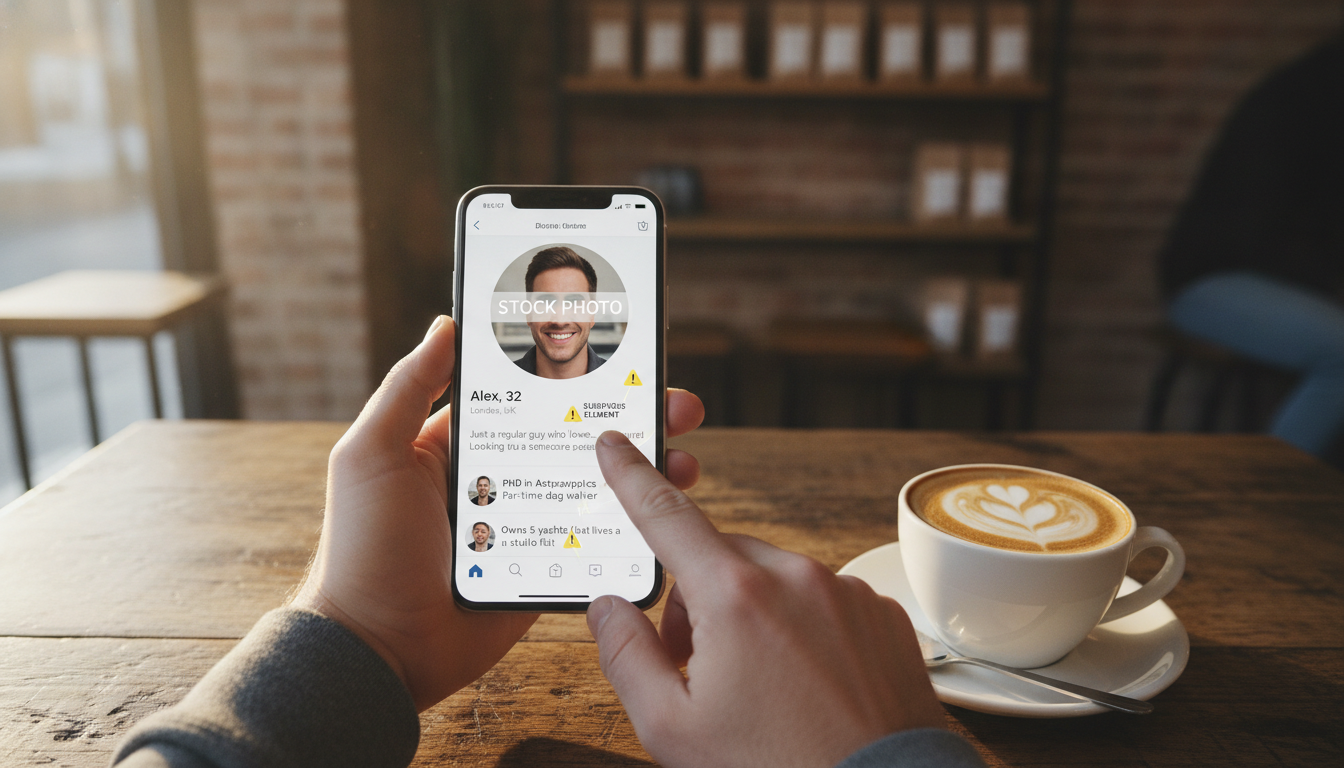
Financial requests represent obvious catfishing red flags but they've evolved beyond crude "send money" demands. Modern scammers create elaborate stories about emergency situations, cryptocurrency investments, or temporary cash flow problems. Never send money to anyone you haven't met multiple times in person.
Rushing toward meeting without establishing basic trust indicates either desperation or dangerous intentions. Legitimate casual daters exchange messages for at least 2-3 days before suggesting a meetup. Someone pushing for your address within hours wants something dodgy.
Inconsistent availability patterns raise questions too. They claim to work normal hours but only message at 2am? They say they're local but their active times suggest different time zones? These mismatches expose lies about identity or location.
Questions That Expose Catfishers
Ask specific questions about their claimed location. Which supermarket chain do they use? What's the closest Tube station? Where did they grab coffee last? Catfishers struggle with granular local knowledge. Someone claiming they live in Bristol but can't name a single suburb reveals themselves immediately.
Request opinions on recent local news or events. A genuine Manchester resident knows about recent city centre developments or local football drama. Vague responses or quick Google searches produce generic answers lacking authentic detail.
Discuss specific venue suggestions for your potential meetup. Real locals have opinions about pubs, cafes, or restaurants. They'll suggest alternatives or mention they've visited your suggestions. Catfishers agree to everything without contributing local knowledge.
What Legitimate Casual Dating Profiles Look Like
Genuine profiles contain minor imperfections. Slightly blurry photos, casual bathroom mirror selfies, or backgrounds showing everyday mess indicate real people. Perfect profiles feel manufactured because they are.
Authentic users mention specific interests with detail. Instead of "I like music," they'll say "I'm into Bicep's recent album" or "I caught Fontaines D.C. at Brixton Academy last month." Specific references prove genuine human authorship.
Real profiles acknowledge the casual nature of arrangements directly. They state clear intentions about no-strings situations without excessive detail. They're straightforward about wanting physical connection without promising emotional investment.
Common Catfishing Tactics on Hookup Sites
The "model scout" scam promises legitimate modelling opportunities after you send more photos. This tactic targets people seeking validation whilst collecting images for identity theft or blackmail. Genuine modelling agencies don't recruit through casual dating platforms.
Military or offshore worker scams justify extended messaging without meetings. These catfishers claim deployment, oil rig work, or international business travel prevents them meeting. According to Citizens Advice Bureau statistics from 2022, military romance scams cost UK victims an average of £15,000 each.
The "broken phone" routine creates excuses for poor communication quality. Their camera doesn't work, their microphone broke, their screen cracked. These convenient technical failures prevent video verification indefinitely.
Protecting Yourself Beyond Profile Verification
Meeting in public places for first encounters remains non-negotiable. Choose busy venues during daytime hours. Coffee shops near police stations or shopping centres provide safety and easy exits. Never agree to residential addresses for initial meetups regardless how thoroughly you've verified someone.
Inform a trusted friend about your plans. Share your location, your date's profile information, and your expected return time. Services like What3Words pinpoint exact meeting locations using three-word combinations. Send your friend your three-word location before you arrive.
Trust your instincts even after verification seems complete. If something feels wrong during your meetup, leave immediately. Your safety outweighs politeness or worries about seeming paranoid. Genuine people understand reasonable caution.
What to Do If You've Been Catfished
Report fake profiles immediately to the platform hosting them. Most UK-based casual dating sites maintain dedicated reporting systems for suspicious accounts. Your report helps protect other users from the same scammer.
Contact Action Fraud at actionfraud.police.uk if you've lost money or experienced threats. They're the UK's national reporting centre for fraud and cybercrime. Provide screenshots, phone numbers, and any payment receipts. This documentation helps police track organized scamming operations.
Block the catfisher across all platforms immediately. Don't engage in revenge behaviour or attempt to expose them publicly. Simply remove their access to you and move forward. Getting drawn into confrontation wastes more of your time.
Red Flags Checklist for Quick Reference
Save yourself time by checking profiles against these specific catfishing red flags:
- Refuses video calls despite weeks of messaging
- Photos reverse-search to other identities or stock image sites
- Claims local residence but lacks specific neighbourhood knowledge
- Provides vague job descriptions without company or industry details
- Sends excessive compliments within first few conversations
- Cannot produce time-sensitive verification photos when requested
- Shows zero social media presence despite being under 40
- Messages only at odd hours inconsistent with claimed lifestyle
Frequently Asked Questions
What percentage of profiles on casual dating sites are fake?
Research varies by platform, but studies suggest 10-30% of profiles on casual dating sites contain some level of deception. A 2021 study by the University of Portsmouth found that 22% of UK online dating profiles included significantly misleading information. Premium paid sites typically maintain better verification standards than completely free platforms.
Why do people create fake profiles on hookup sites?
Financial scams remain the primary motivation, targeting users for money through elaborate emotional manipulation. Some catfishers collect photos for identity theft or blackmail purposes. Others seek emotional validation by pretending to be more attractive people. A small percentage simply enjoy the deception itself without clear financial goals.
How can I tell if someone is using a fake location?
Test their local knowledge with specific questions about landmarks, transport links, or recent area news. Check whether their messaging times align with UK time zones. Request they send a quick photo including recognizable local background features. GPS spoofing apps exist but can't fake genuine familiarity with an area's daily life details.
What should I do if someone refuses video verification?
Move on immediately without further discussion. Legitimate casual daters in 2023 understand video calls represent standard safety practice. Someone prioritizing their anonymity over your safety doesn't deserve your time. Don't waste energy arguing or explaining your position. Simply unmatch and block them.
Which dating platforms have the best verification systems?
Platforms requiring government ID verification like Bumble and Hinge maintain better authenticity rates than completely anonymous sites. Some UK-specific casual platforms require video selfie verification comparing live footage against profile photos. Check platform safety features before creating accounts. Sites investing in verification technology demonstrate commitment to user protection.
Stay Sharp, Stay Safe
Spotting catfishing red flags protects more than your bank account. It saves you emotional energy, wasted time, and potentially dangerous situations. The 30 seconds needed for reverse image searches or the 5 minutes required for video verification prevents hours of disappointment or worse consequences.
Casual dating works brilliantly when both people approach arrangements honestly. Verification isn't about paranoia but about ensuring everyone involved wants the same straightforward connection. Trust your instincts, demand proof, and never apologize for prioritizing safety. Ready to find genuine connections? Check out our guide to top free hookup websites that take verification seriously and help you avoid fake profiles from the start.