Setting Boundaries Early in No-Strings Arrangements

Lesezeit: 9 Minuten
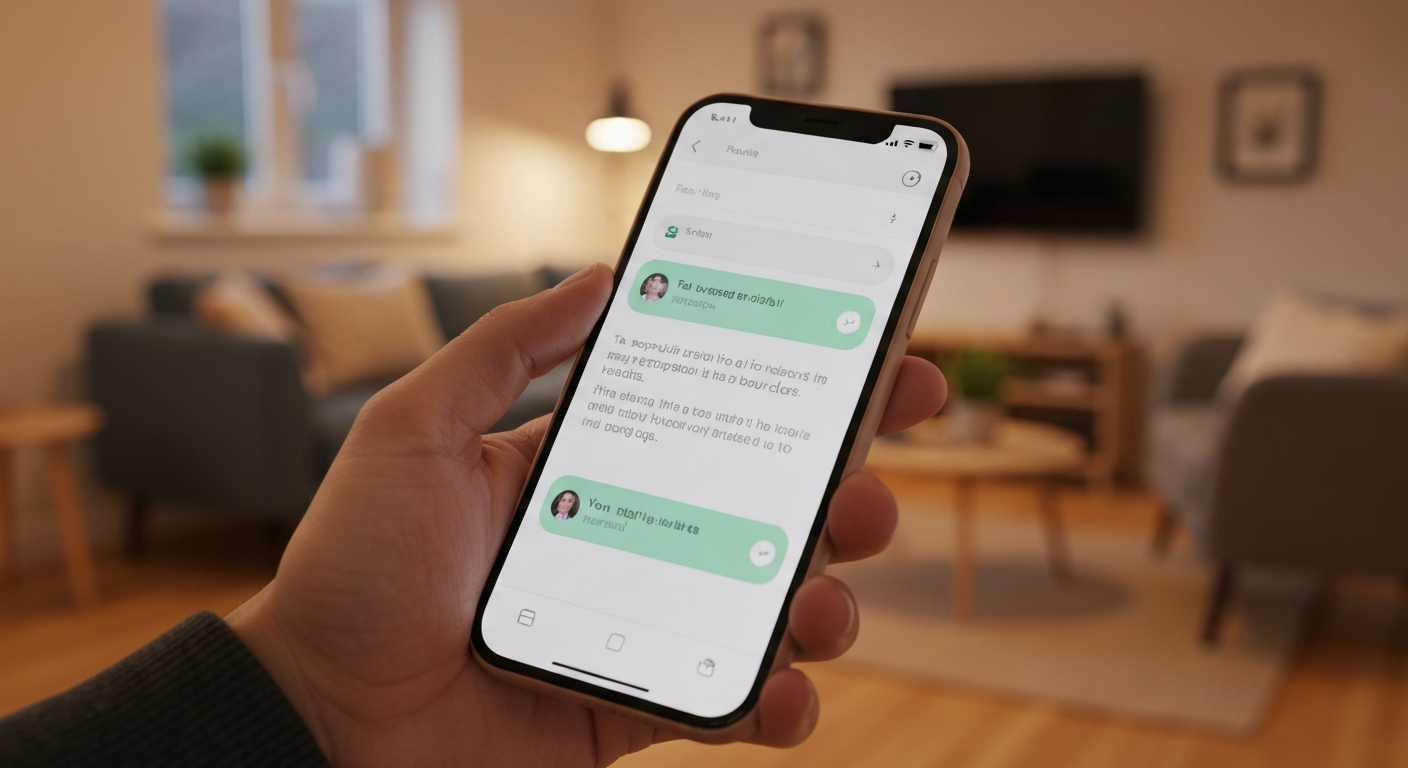
The text arrives at 11pm: "Mine or yours?" You're both keen, but neither of you has mentioned whether this is a one-time thing or something regular. Three weeks later, one person's catching feelings whilst the other thought it was strictly physical. Sound familiar? Establishing no-strings boundaries before the first encounter prevents awkward conversations and hurt feelings down the line.
A 2019 study published in the Journal of Social and Personal Relationships found that 42% of casual relationship conflicts stem from mismatched expectations about exclusivity and frequency of contact. The solution isn't complicated: have the conversation before clothes come off, not after.
Why No-Strings Boundaries Matter From Day One
No-strings arrangements fail when people make assumptions. You might think "casual" means texting only when horny. Your partner might expect daily check-ins and weekend availability. Without clear no-strings boundaries, you're both operating from different rulebooks.
Dr. Zhana Vrangalova, a sex researcher at New York University, conducted a 2017 survey of 500 casual daters. She found that participants who discussed expectations within the first two meetings reported 67% higher satisfaction rates than those who "just went with the flow". The data doesn't lie: uncomfortable conversations beat uncomfortable situations.
Consider what happened to James, a 34-year-old from Manchester. He met someone on a sex dating site in February 2023. They had brilliant chemistry, met three times in two weeks, then she stopped responding. Turns out she'd assumed they were building toward something more serious. He'd assumed they were keeping things purely physical. Neither had actually asked.
Essential Topics to Cover Before Your First Hookup
Discussing expectations doesn't require a formal contract. It does require honesty about what you want and don't want. Cover these areas within your first or second conversation, ideally before meeting in person.
Frequency and Availability
How often do you want to meet? Once a week, twice a month, or whenever schedules align? Sarah, a 29-year-old teacher from Bristol, always clarifies this upfront. "I tell people I'm available every other weekend maximum. My job's demanding and I need social time with mates. If someone needs more regular contact, we're not compatible."
Be specific about response times too. Some people check dating apps hourly. Others log in once every three days. If you take 48 hours to reply and your casual partner panics after 6 hours, you've got a mismatch that needs addressing.
Exclusivity and Sexual Health
Are you seeing other people? Do you expect your partner to tell you if they start sleeping with someone else? These aren't comfortable questions, but they're necessary ones. A 2020 report from Public Health England showed that STI diagnoses increased 5% among people in non-exclusive arrangements who didn't discuss testing protocols.
Establish when you'll both get tested and how you'll share results. Many sexual health clinics now offer results via text within 5-7 days. Dean Clinic in Brighton, for example, provides free STI testing with results in 6 days. Make it part of your arrangement: test every 3 months or before starting with someone new, whichever comes first.
Communication Preferences
What's the acceptable reason to text between meetings? Strictly logistics, or is friendly chat welcome? Lucy, 31, learned this lesson after a casual partner accused her of being "cold" because she didn't text between hookups. "Now I say upfront: I don't do daily texting in casual situations. If someone needs that, they should find it elsewhere."
The Kinsey Institute's 2021 research on casual relationships found that 38% of conflicts arose from different communication expectations. One person interpreted sparse texting as disinterest. The other saw excessive messaging as clingy behavior. Both were right based on their assumptions, wrong based on reality.
How to Start the Boundaries Conversation
You don't need a perfect script, but you do need directness. Avoid wishy-washy language like "let's see where this goes" or "we'll figure it out". That's code for "we're avoiding an awkward chat and hoping for the best".
Try this approach: "Before we meet, I want to make sure we're on the same page. I'm looking for something physical without emotional commitment. I'm seeing other people and I'm fine if you are too. I prefer to text only for arranging meets, not daily chat. Does that work for you?"
Notice the specifics. You've covered emotional expectations, exclusivity, and communication frequency in four sentences. Your potential partner now knows exactly what you're offering. They can agree, disagree, or negotiate different terms.
If discussing sexual kinks or particular preferences, address those now too. Someone interested in a BDSM affair needs different boundaries than someone seeking vanilla encounters. Better to discover incompatibility via text than mid-hookup.
Common Boundary Categories in NSA Arrangements
Every arrangement is different, but most no-strings boundaries fall into recognizable categories. Decide your preferences for each before starting conversations.
- Time boundaries: No sleepovers, maximum 2 hours per meet, weekends only, never on birthdays or holidays
- Social boundaries: No meeting friends or family, no public dates in your neighborhood, no social media connections
- Emotional boundaries: No deep personal conversations, no relationship advice, no discussing dating other people
- Financial boundaries: Split costs equally, no gifts, no borrowing money, each person covers their own travel
- Physical boundaries: Specific sexual acts that are on or off the table, contraception requirements, safer sex protocols
Writing Down Your Boundaries
It sounds clinical, but putting casual expectations in writing prevents misunderstandings. You needn't draft a legal document. A simple text works: "Just to confirm we discussed: meeting fortnightly, no sleepovers, both seeing other people, text only for logistics. Let me know if I've missed anything."
This creates a reference point. When someone texts at 2am three months in wanting to "talk about feelings", you can point back to the original agreement. You're not being cold—you're maintaining boundaries you both accepted.
When Boundaries Need Adjusting
People change. What worked in month one might not work in month six. The key is renegotiating before acting, not apologizing after crossing a line.
Tom, 38, started a no-strings arrangement in January 2024 with twice-weekly meets. By March, his work schedule changed and he could only manage once weekly. Rather than gradually becoming less available and causing confusion, he sent a direct message: "My availability's changed. I can only do weekly meets now. If that doesn't work for you, I completely understand."
His partner appreciated the honesty. They adjusted the arrangement and continued for another four months before naturally ending things. Compare this to arrangements where one person slowly fades, leaving the other confused about what changed.
Recognizing When Boundaries Are Being Ignored
Sometimes your partner agrees to boundaries then consistently violates them. They text daily despite your request for logistics-only communication. They push for sleepovers when you've said you prefer separate beds. They want to introduce you to their mates despite agreeing to keep things private.
According to relationship therapist Esther Perel's 2018 podcast series on casual relationships, boundary violations occur in approximately 30% of NSA arrangements. The solution is direct communication followed by action. "We agreed on X, but you keep doing Y. If this continues, we're not compatible."
If behavior doesn't change after one clear conversation, end the arrangement. Casual doesn't mean accepting treatment that makes you uncomfortable. You're entitled to the boundaries you established.
Digital Tools for Boundary Management
Technology can help maintain no-strings boundaries. Calendar-sharing apps let you mark availability without constant texting. Signal's disappearing messages feature (messages auto-delete after a set time) maintains privacy for those in discreet affairs.
Some people use separate phone numbers via apps like Hushed or Burner for casual arrangements. This creates a clear boundary between your primary life and your hookup life. When the arrangement ends, you simply delete the number rather than blocking someone from your main phone.
The Sexual Health Diary app, launched in 2022, lets you track testing dates and share results securely. Both partners can confirm testing status without awkward conversations or showing physical paperwork.
Cultural Differences in Boundary Setting

Expectations around casual dating vary across the UK. Research from the University of Sussex published in 2020 found that Londoners were 23% more likely to discuss boundaries explicitly compared to people in smaller cities. This reflects population density and dating pool size rather than moral differences.
In cities like Birmingham or Leeds, where social circles overlap more, people often set stricter boundaries about discretion and public meetings. In London, where anonymity is easier, people might be more relaxed about being seen together in public despite maintaining emotional boundaries.
Age matters too. The same Sussex University study found that people over 35 were 45% more likely to establish clear boundaries within the first meeting compared to those aged 18-25. Experience teaches that assumptions cause problems.
FAQ: Setting Boundaries in No-Strings Arrangements
What if my casual partner refuses to discuss boundaries?
Someone unwilling to have a basic conversation about expectations isn't a good casual partner. They're either immature, hoping to manipulate the situation to their advantage, or genuinely looking for something different. Move on. Plenty of people appreciate direct communication and will engage with the conversation properly.
When exactly should I bring up no-strings boundaries?
Before you meet in person, ideally after you've established mutual interest but before setting a date. This prevents wasted time if you're fundamentally incompatible. A simple message works: "Before we arrange to meet, I'd like to discuss what we're both looking for to make sure we're aligned."
What happens if I develop feelings despite established boundaries?
Tell your partner immediately. "I know we agreed to keep this casual, but my feelings have changed. I need to end this arrangement because it's no longer working for me." Don't try to secretly convert casual to serious. Don't stick around hoping they'll change their mind. Exit with dignity and find someone who wants what you want.
How do I enforce boundaries without seeming controlling?
You're not controlling someone by maintaining agreements they accepted. The language matters: "We agreed on X, and I need to stick to that" is firm but fair. "You're not allowed to do Y" sounds controlling. The first references mutual agreement. The second imposes unilateral rules. Frame boundary enforcement as protecting the arrangement you both chose.
What boundaries are non-negotiable in any NSA arrangement?
Consent, sexual health honesty, and basic respect are non-negotiable. Everything else is up for discussion. If someone lies about STI status, crosses sexual boundaries you've established, or treats you disrespectfully, that's not about different expectations. That's about fundamental incompatibility with ethical behavior. End it immediately.
Final Thoughts on No-Strings Boundaries
Casual doesn't mean careless. The best no-strings arrangements start with clear conversations about what everyone wants and doesn't want. These discussions aren't romantic, but they're necessary.
Setting no-strings boundaries early protects everyone involved. You avoid wasted time, hurt feelings, and awkward situations. You create space for genuine enjoyment without anxiety about mixed signals or unspoken expectations.
Think you're ready to put these principles into practice? Start with one clear conversation before your next hookup. Define your terms, ask about theirs, and only proceed when you're genuinely aligned. Your future self will thank you for the 10 minutes of initial awkwardness that prevents weeks of confusion.